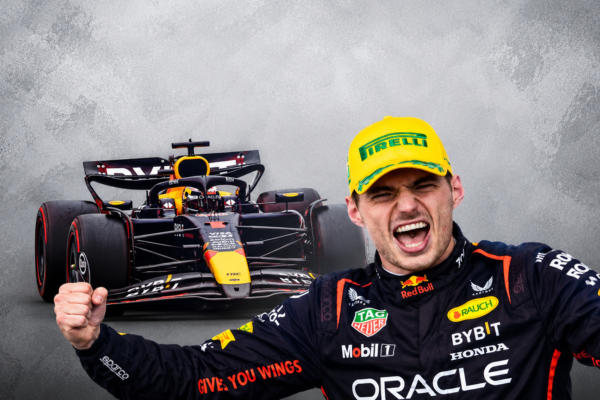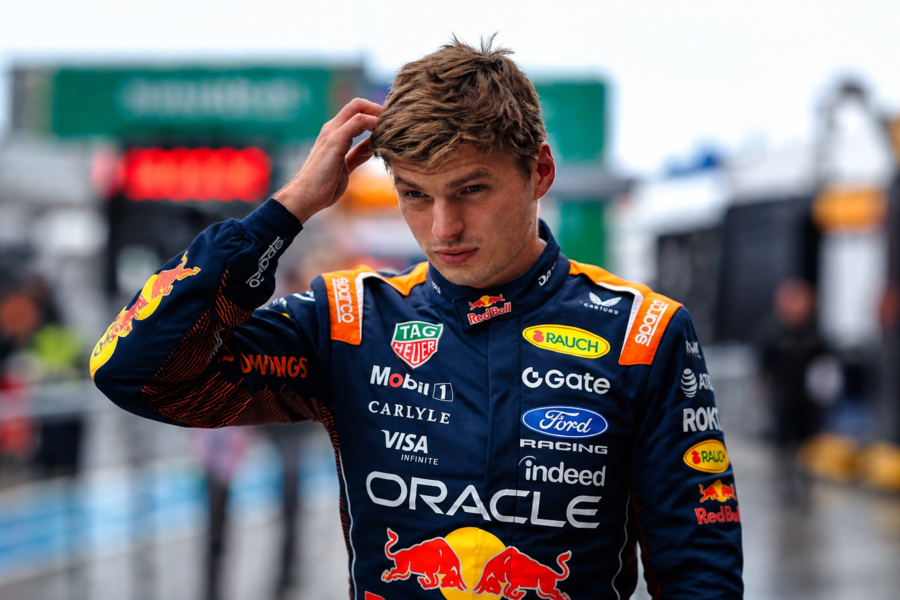
Max Verstappen has made his feelings about Formula 1’s new engine regulations pretty clear. He does not think the sport should keep moving toward more electrification. Instead, the four-time world champion wants F1 to take a step back and bring V8 engines back for the next generation of power units.
For Verstappen, it is not simply about nostalgia. He believes V8s would make the cars more enjoyable to drive, especially if F1 also makes them smaller and lighter. He also wants the battery to have a much smaller role in the car’s performance.
The 2026 regulations introduced a major change to F1 power units, with the internal-combustion engine and electric side playing a much more equal role. That has also changed how drivers manage their cars during races. Energy deployment, battery recovery, lift-and-coast, and techniques such as “super clipping” have become a bigger part of the job.
Verstappen has never been shy about criticizing that direction. At one point, he even described the new formula as “Formula E with steroids”.
The FIA has already made some adjustments to the 2026 rules, with more changes to the balance between combustion and electric power expected in 2027 and 2028. At the same time, the idea of eventually bringing back V8 engines has gained support from figures including F1 CEO Stefano Domenicali and Mercedes team principal Toto Wolff.
Verstappen himself has previously admitted that the possibility of V8s returning was one reason he was more open to staying in F1 beyond the current technical cycle. He eventually signed a Red Bull contract that runs through 2030.
Max Verstappen wants V8 engines back
Speaking to the BBC, Verstappen was direct when asked what he would like F1’s next engine regulations to look like.
“It has to go back to a V8, just for drivability. When you drive the old cars, you can’t imagine the difference in engine response or the drivability they provide. And how terrible or horrible it actually is now compared with simply having a V8,” Verstappen said.
He also believes modern F1 cars have simply become too heavy.
“It’s also horrible in terms of the feeling compared with a V8. The V8 is so much better. It’s much looser, much lighter. The cars are too heavy nowadays,” he added.
His preferred solution is not simply taking an old V8 and dropping it into a modern F1 car. Verstappen wants a smaller, lighter engine paired with a much smaller battery.
“It would be better to simply have a smaller and much lighter V8 engine. The idea would be to limit the size of the battery, maybe something like a battery for push-to-pass. But it shouldn’t be part of the normal running of the car or be used to gain performance continuously,” the Dutchman explained.
Verstappen also wants to remove the turbo
Max Verstappen would go even further. He would also get rid of the turbocharger, mainly because he believes it takes away some of the immediate response drivers want from an engine.
“I would also say no turbo, because that introduces turbo lag,” Verstappen said.
Verstappen also wants F1 to get rid of the turbo. He feels it takes away some of the instant power and response that made the older engines so exciting to drive.
For Verstappen, it all comes back to the same thing. He wants drivers to focus on racing and pushing the car instead of constantly thinking about battery power and energy use during a lap.
Even with all his complaints about the current rules, Verstappen still has plenty of love for F1. He has enjoyed some hugely successful years in the sport, and those memories have helped keep that passion alive.
“I was lucky that the previous years were reasonably good. It just wasn’t how I would have liked it in terms of the battery. But it’s about the emotion that the V8s and V10s provided back then, when I was a kid. You were walking around, you heard those cars going out on track and you got goosebumps,” he recalled.
“It’s on another level”
That last point may explain Verstappen’s argument better than anything else. For him, the appeal of older F1 engines is not just about horsepower or lap times. It is about what the cars feel and sound like.
Modern F1 cars can reach enormous speeds, but Verstappen does not believe that automatically makes them more exciting.
“Even if the cars now reach 350, 360 km/h, compared with 300 km/h before, it doesn’t matter. What matters is the emotion of the sound of those cars, the vibration. It’s simply on another level. And I really hope that comes back,” Verstappen concluded.
A V8 comeback is still only a possibility for the post-2030 era. There is no confirmed regulation requiring F1 to return to V8 power, and the FIA, teams and manufacturers still have plenty to work out before the next engine cycle is finalized.
For Max Verstappen, this is not just about wanting the old days back. He genuinely wants F1 to feel different again. What happens with the engines could even have a say in how long he wants to keep racing
Also Read: The Best Formula 1 Drivers Ever Ranked by Wins and Championships
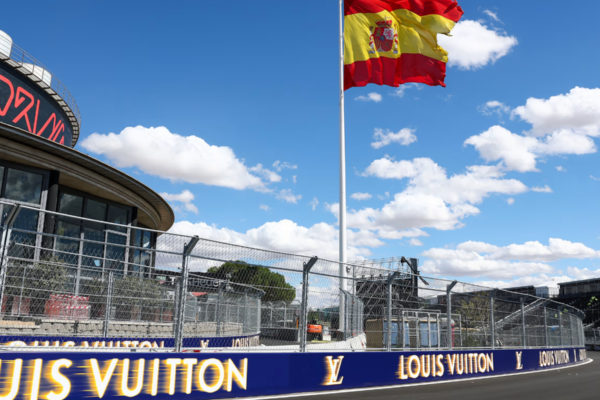
For now, though, the 2026 rules are here to stay. The next stop is the Spanish Grand Prix, taking place from September 11-13 at Madrid’s new MADRING street circuit.